.avif)

DAY & NIGHT




Sleep is essential for the body's healing process, especially when sick. But as most people have experienced, finding the best position to sleep with a cold and cough can be a real challenge, especially when you're congested, coughing, and feeling generally unwell.
Let's explore the various sleep positions and other remedies to alleviate cold and cough discomfort and promote a restful night's sleep.
Sleeping with a cold and cough can be difficult. Common cold symptoms, such as nasal congestion, postnasal drip, persistent coughing, stuffy nose, and a sore throat, can make it hard to find a comfortable sleeping position.
Lying down can lead to mucus accumulation in the throat, nasal passages, and airways, triggering more coughing fits and uneasiness.
Sleeping challenges you may face with a cough and cold include:
Understanding the best position to sleep with a cold and cough is often overlooked. Pillow positioning plays a crucial role in managing the discomfort associated with a cold. When you have a cold, proper pillow placement can help alleviate nasal symptoms and promote better rest, essential to your rest and recovery.
As stated above, one of the best ways to position your pillow when you have a cold is to elevate your head and upper body. You can reduce postnasal drip and ease throat irritation by using an extra pillow or two to prop yourself up.
Sleeping elevations can promote postural drainage to prevent mucus from pooling in your throat— which can trigger coughing fits and sleeping difficulty. It can also improve breathing by keeping your airways more open, especially if nasal congestion is a symptom of your cold.
A comfortable and supportive pillow can make a significant difference when feeling unwell. Pillows that conform to your head and neck provide better comfort, helping you avoid unnecessary tossing and turning during the night. When you're already dealing with cold symptoms, rest is crucial. A comfortable pillow can help you get that much-needed rest.
Pillow positioning can also prevent neck and shoulder strain. Choose a pillow that provides proper neck support to keep your spine aligned. A well-aligned spine reduces muscle tension, which can be especially beneficial when dealing with aches and pains from your illness.
Quality sleep is essential for recovery, and the right pillow position can improve sleep quality. Reducing discomfort and promoting better breathing makes you more likely to sleep deeply and restoratively. Rejuvenating sleep lets your body focus on healing and strengthening your immune system, which is what you need to overcome a cold.
Pillow positioning goes beyond simple comfort. It's about managing the symptoms of a cold and facilitating a quicker recovery. Elevating your head, choosing a comfortable and supportive pillow, preventing strain, and improving sleep quality are all key aspects of using pillows to your advantage when you're under the weather.
Paying special attention to pillow positioning can create a more conducive sleep environment that helps you get the rest you need to bounce back from your cold faster.
While it may take trial and error to discover the best position to sleep with a cold and cough, there are a few universally accepted techniques to minimize your symptoms.
One of the most effective sleeping positions for cold and cough relief is to elevate your upper body in the Semi-Fowler's Position. You can achieve this by using extra pillows to prop up your head and upper back to lie at about a 30-45-degree angle.
This elevation helps reduce post-nasal drip, alleviates throat irritation, and makes breathing easier. Many healthcare professionals recommend it for those with respiratory issues.
Sleeping on your side can help minimize coughing and improve mucus drainage from your airways. The "fetal position," where you curl your knees toward your chest, can be comfortable and supportive when you're not feeling well.
Lying flat on your back can worsen post-nasal drip and coughing. If you prefer to fall asleep on your back, try propping up your upper body, as mentioned earlier, to reduce these symptoms.
Sore throat pain can be bothersome at night, making it difficult to get quality sleep and leaving you feeling restless. Luckily, there are several effective ways to soothe nighttime sore throats to get the rest you need for a speedy recovery.
A warm saltwater gargle is one of the most time-tested remedies for soothing a sore throat. Mix about half a teaspoon of salt in a glass of warm water, and then gargle with this solution for 30 seconds before spitting it out. Make sure not to swallow it.
The salt helps reduce inflammation in the throat and can temporarily relieve pain and irritation. Doing this before bedtime can help calm your sore throat and make it easier to fall asleep.
Keeping your throat moist is a critical factor in soothing a sore throat. Drink plenty of fluids throughout the day, and consider having a glass of water by your bed at night.
Moistening the throat with water can help prevent dryness and discomfort that can easily worsen at night, especially because you're likely to breathe through your mouth and not your congested nose. Herbal teas with honey and lemon can be particularly soothing and hydrating.
Dry air can worsen throat discomfort. Using a humidifier in your bedroom can add moisture to the air, preventing your throat from drying out while you sleep. Clean and maintain the humidifier properly to avoid mold and bacteria growth.
Over-the-counter (OTC) throat lozenges or sprays can temporarily relieve sore throat symptoms. Many of these products contain ingredients like menthol or numbing agents that can help reduce pain and irritation. Keep some nearby so you can use them as needed during the night.
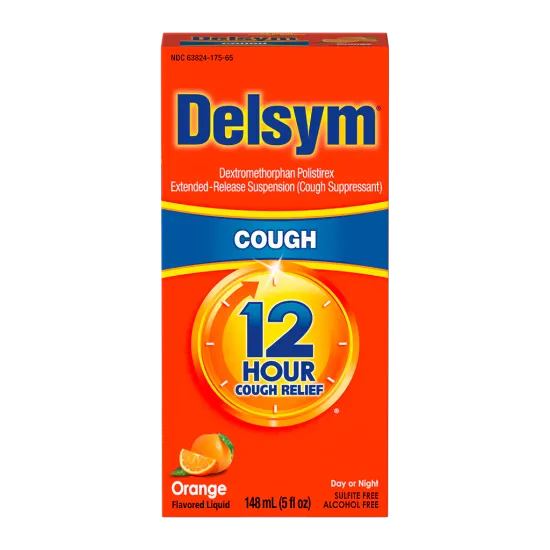
Delsym® 12-Hour Cough Liquid and Nighttime Fast Release Combo gives you the added convenience of providing two separate products that you can choose from to provide either long-lasting 12-hour cough relief or relief of many cold symptoms like sore throat, cough, fever, and aches and pains throughout the day or night.
In addition to the above, consider creating a more conducive sleep environment. Ensure your bedroom is warm, as cold temperatures can exacerbate throat discomfort. Bring out the extra pillows and blankets, and consider a sound machine to help you get restful, rejuvenating sleep.
In addition to finding the right sleeping position, consider these tips to improve your sleep when you have a cold and cough so you can restore your natural circadian rhythm:
Although the best position to sleep with a cold and cough can provide relief, they may not eliminate your symptoms. The key is to find a combination of strategies that work best for you and promote a more restful night's sleep during your illness.
Prioritizing rest and self-care is fundamental for a faster recovery, restoring a healthy immune system, and returning to feeling your best. And while these remedies can provide comfort and make it easier to sleep with a sore throat, it's important to remember that they may not necessarily cure the underlying cause.
If your sore throat persists for more than a few days, worsens, or is accompanied by other concerning symptoms like difficulty breathing, consult with a healthcare professional for a proper diagnosis.