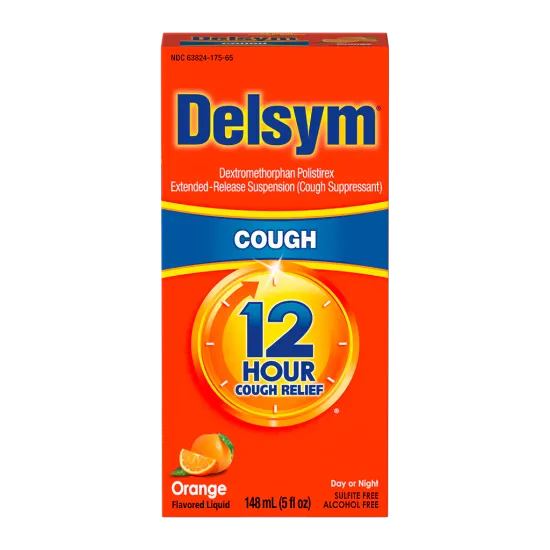
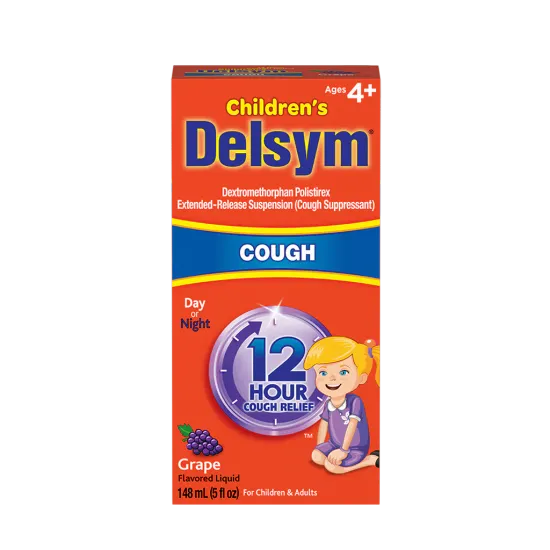
.avif)

DAY & NIGHT


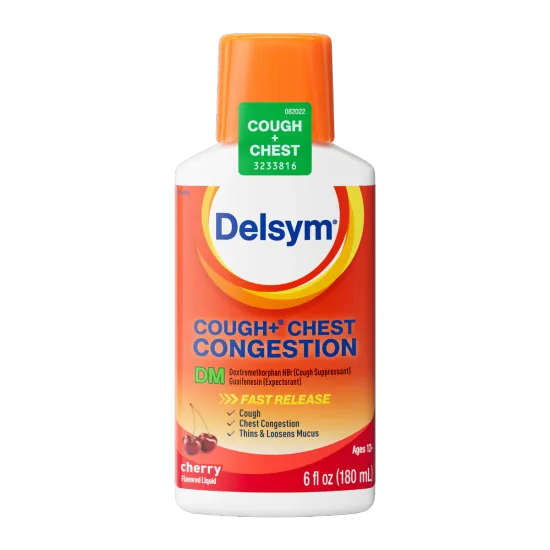

Most cold and cough medicines, including those containing dextromethorphan, can be taken with or without food. While taking them on an empty stomach typically allows for faster absorption, it may cause mild nausea or stomach upset in sensitive individuals. If you have a sensitive stomach, consuming a small snack before dosing is often recommended.
The effectiveness of any medication – whether an over-the-counter medicine or a prescription medicine can be altered in the presence or absence of food and other medications.1
Some medicines work best on an empty stomach, while some are better absorbed in the presence of food.1
Similarly, we must watch label or doctor’s recommendation on avoiding: specific food-drug interactions or drug-drug interactions where a medicine may react or be inhibited by a certain food or another medicine.1
Knowing when to use OTC medications and how to take them properly can help ensure they work effectively while reducing the risk of unwanted side effects.
For example:
Antibiotics, must be taken after a meal. Since it has the tendency to irritate the stomach and gut.
Thyroid medications are absorbed too quickly into the blood stream if given on an empty stomach, and so must be given after food, so that the blood levels increase gradually instead of spiking.
So can you take OTC cold medicine on an empty stomach?
The answer to that depends on the medicine itself. Common cold medicines like Acetaminophen and cough medications like dextromethorphan, as long as they are taken in the recommended doses, can be taken with or without food because they are mild in nature and usually do not cause any irritation to the stomach linings.
Other stronger medicines may cause irritation in the stomach, resulting in the ‘Nausea Factor’, vomiting or an upset stomach.2
Yes, you can usually take dextromethorphan on an empty stomach. This common cough suppressant is absorbed by the body about the same whether you’ve eaten or not, so its effectiveness generally doesn’t depend on food.3 However, dextromethorphan as a single ingredient medicine or in combination with a cold medicine cannot be taken with alcohol owing to the increased risks of liver damage, dizziness and other harmful side effects.4
That said, some people find that taking medicine without food can cause mild nausea or stomach discomfort. If that happens, try taking dextromethorphan with a small snack or after a meal, which can help your stomach tolerate it better.
It’s also a good idea to check the drug facts label on your medication, especially if it’s a combination cold or cough product with other ingredients. Following the recommended dose and instructions can help you get relief while minimizing the chance of unwanted side effects.
If you want to be sure that you are administering cough medicine to children safely, make sure to follow the doctor’s advice or the label instructions on dose, do not exceed the 24-hour limit and the timing of the cough medicine, which will be after food to avoid potential digestive discomfort and the nausea factor.
Some medications can irritate the stomach lining, especially when taken without food. A common example is nonsteroidal anti-inflammatory drugs (NSAIDs), a group of pain relievers that includes medicines like ibuprofen. These drugs can weaken the stomach’s natural protective barrier against acid, which may lead to irritation or inflammation of the stomach lining (also called gastritis). In more serious cases, this irritation can contribute to ulcers, bleeding, or damage to the stomach lining.5
This is often what happens when you take medicine on an empty stomach, without food to act as a buffer, certain medications may come into direct contact with the stomach lining and cause discomfort. Older adults may be at higher risk because they often use these medications more frequently for chronic pain.5 People who have previously experienced stomach ulcers or gastritis should also be especially careful and may benefit from taking such medications with food or under medical guidance.
There are a few different ways to prevent medicine induced nausea during treatment.5
You can visit your local pharmacy to view all available relief options that are suitable for those who are susceptible to nausea and stomach upset when being treated.
The US FDA has required that the OTC drug information, including how to take the medicine, recommended doses, maximum limits and any warnings be listed clearly and in plain language on the label of the medicine: often terms the ‘Drug facts’ label.6
When checking how to take a medication, start by reading the Directions section on the label, where you may see instructions such as "take with food or milk" or "take on an empty stomach."6
The Warnings section may also highlight certain foods or drinks, like alcohol, that should be avoided because they can interact with the medicine. These details matter because some medications need food to help prevent stomach irritation, while others work best when the stomach is empty so they can be absorbed properly.6
For prescription medicines, the pharmacy label may include stickers with clear instructions, such as “take with food.” It’s also helpful to remember that these Drug Facts label guidelines apply specifically to OTC medications, while dietary supplements may follow different labelling standards.6
By paying attention to medication instructions and listening to your body, you can take cough and cold medicines more safely, finding relief, while protecting your stomach and overall well-being.
InformedHealth.org [Internet]. Cologne, Germany: Institute for Quality and Efficiency in Health Care (IQWiG); 2006-. In brief: Fasting. [Updated 2024 Apr 17]. Available from: https://www.ncbi.nlm.nih.gov/books/NBK279332/.
Note: These statements have not been evaluated by the Food and Drug Administration. This product is not intended to diagnose, treat, cure, or prevent any disease.