.avif)

DAY & NIGHT




Chest congestion and coughing are uncomfortable symptoms that often accompany respiratory illnesses. They occur when the airways produce excess mucus or become inflamed, making breathing difficult. Understanding their causes, symptoms, and treatments can help you manage and alleviate discomfort.1
Chest congestion and coughing result from various factors, from infections to environmental irritants. Identifying the underlying cause is essential to finding the right treatment.
Respiratory infections such as colds, the flu, and bronchitis are among the most frequent causes of chest congestion and cough. These illnesses irritate the respiratory tract, triggering an overproduction of mucus as the body attempts to trap and eliminate pathogens.
Infections like bronchitis often lead to a wet cough characterized by mucus production.2
Viral illnesses such as the flu can also cause fever, body aches, and severe congestion.3
Pneumonia is another serious respiratory infection that can cause extreme congestion, shortness of breath, and chest pain. Unlike milder illnesses, pneumonia often requires antibiotics and should not be ignored.4
Chronic Obstructive Pulmonary Disease (COPD): Chronic conditions like COPD may cause recurring congestion due to lung damage and airway inflammation. COPD patients often experience both wet and dry coughs.5
Environmental irritants such as smoke, pollution, and allergens can inflame the airways, leading to discomfort and chest congestion symptoms. People exposed to dry air or extreme weather conditions often experience worsened congestion, as the lack of humidity can dry out mucous membranes.
Prolonged exposure to pollutants is known to aggravate respiratory conditions such as asthma.6
Coughing with pain in the back can occur when coughing repeatedly due to environmental irritation or chronic conditions.7
Seasonal allergies, particularly during spring or fall, can produce excess mucus, resulting in post-nasal drip and coughing. Indoor allergens, such as dust mites or pet dander, may also worsen congestion for some individuals.8
Breathing Difficulties: Excess mucus obstructs the airways, making it harder to inhale and exhale fully.9
Coughing: Persistent coughing helps expel mucus from the lungs.
Chest Tightness or Discomfort: A feeling of fullness or pressure in the chest is often described as a cold sensation.
Fatigue and Weakness: Breathing difficulties and persistent coughing can leave you feeling drained as the body works harder to maintain oxygen levels. Fatigue often accompanies long-term respiratory infections or chronic congestion.
Wheezing: The presence of wheezing or whistling sounds during breathing may indicate airway obstruction caused by severe mucus build-up or inflammation.10
Post-Nasal Drip: Often feels like mucus dripping down the back of the throat, especially noticeable when lying down. This symptom frequently leads to nighttime coughing.
Headaches or Facial Pain: Congestion in the sinuses can cause pressure buildup, leading to headaches or discomfort around the eyes, forehead, and cheeks.
Understanding your type of cough is crucial for choosing the appropriate treatment:
Wet Cough: This occurs when mucus is present in the airways, often in bronchitis or pneumonia. A wet cough typically produces phlegm, which may vary in color (clear, yellow, or green) depending on the severity and cause of the infection. Green or yellow phlegm often indicates bacterial involvement, while clear mucus is usually linked to viral infections.
Dry Cough: Usually results from irritation, allergies, or early-stage infections.
Mixed Coughs: Some conditions like asthma or post-nasal drip may cause a mix of dry and wet coughs depending on triggers and time of day.
Cough Triggers: Dry coughs can worsen with exposure to smoke, dust, or cold air, while wet coughs are typically exacerbated by lying flat or during physical activity.
Knowing the difference between wet cough and dry cough can help you select the right remedy.11
Relieving a cough and finding the best remedies for chest congestion involves using medications and home remedies that target mucus buildup and inflammation.
Several over-the-counter products can help alleviate symptoms:
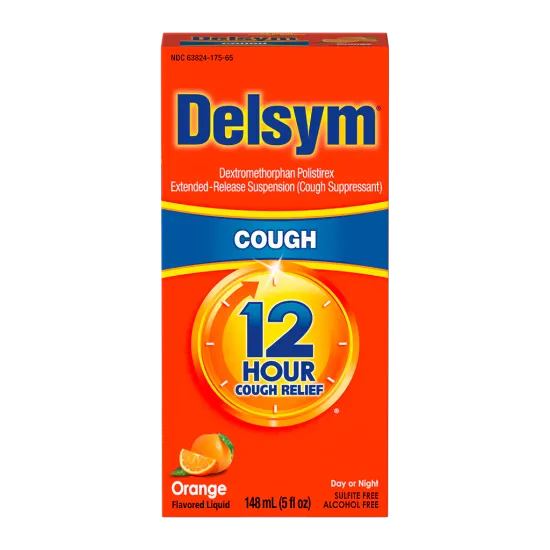
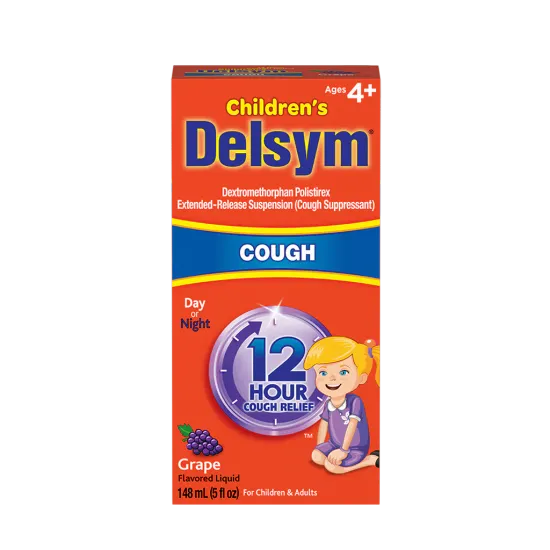
Cough Suppressants: Products like Delsym provide long-lasting relief by reducing the urge to cough.12
Expectorants: These help thin and loosen mucus, making it easier to expel.13
Decongestants reduce nasal passages' swelling, improving airflow and easing discomfort.
Chest Rubs: Mentholated chest rubs can help relieve cough and cool nasal passages.
Medicated Lozenges: Throat lozenges with menthol or eucalyptus can soothe irritation and help calm cough.
If symptoms include back pain and coughing, over-the-counter pain relievers like ibuprofen can reduce muscle strain caused by repetitive coughing.14
Natural remedies are an excellent way to complement medications:
Steam Inhalation: Breathing in warm steam loosens mucus and hydrates irritated airways. Adding eucalyptus oil can enhance relief.15
Warm Fluids: Drinking warm tea, broth, or water with honey can soothe the throat and thin mucus. Honey is particularly effective for reducing coughing frequency.
Use a Humidifier: Keeping indoor air moist prevents further irritation.17
For more suggestions, visit our guide on home remedies for chest congestion.
Managing chest congestion requires a mix of good habits and targeted treatments:
Stay Hydrated: Drinking plenty of water thins mucus, making expelling easier.
Practice Breathing Exercises: Controlled breathing helps expand the lungs and loosen trapped mucus.18
For additional ideas, check out ways to clear chest congestion.
Coughing combined with back pain is often due to muscle strain caused by persistent coughing. The repetitive motion strains the muscles in the back, causing discomfort.
Improper Posture: Poor posture while coughing or lying down may worsen back pain, particularly in individuals with pre-existing back issues.
Respiratory infections such as bronchitis or pneumonia can exacerbate this pain due to inflammation in the lungs.19
Chronic Conditions: Lung infections like pneumonia or pleuritis may worsen back pain due to inflammation of lung tissues.
If the coughing and back pain persist or worsen, consult a healthcare provider to rule out serious conditions such as pneumonia.
Centers for Disease Control and Prevention. (n.d.). Acute bronchitis: About acute bronchitis. https://www.cdc.gov/acute-bronchitis/about/index.html
Mayo Clinic. (n.d.). Bronchitis: Symptoms and causes. https://www.mayoclinic.org/diseases-conditions/bronchitis/symptoms-causes/syc-20355566
District of Columbia Health. (n.d.). Flu. https://dchealth.dc.gov/flu
Cleveland Clinic. (n.d.). Pneumonia. https://my.clevelandclinic.org/health/diseases/4471-pneumonia
American Lung Association. (n.d.). State of the air: Health risks. https://www.lung.org/research/sota/health-risks
Cleveland Clinic. (n.d.). Cough: Overview. https://my.clevelandclinic.org/health/symptoms/17755-cough
Mayo Clinic. (n.d.). Allergies: Symptoms and causes.https://www.mayoclinic.org/diseases-conditions/allergies/symptoms-causes/syc-20351497
Medical News Today. (n.d.). Chest congestion: Causes and treatment. https://www.medicalnewstoday.com/articles/chest-congestion#:~:text=Causes%20of%20chest%20congestion%20can,sign%20of%20a%20chronic%20condition
Johns Hopkins Medicine. (n.d.). Signs of respiratory distress. https://www.hopkinsmedicine.org/health/conditions-and-diseases/signs-of-respiratory-distress
Cleveland Clinic. (n.d.). Chronic cough overview. https://my.clevelandclinic.org/health/symptoms/15048-chronic-cough-overview
WebMD. (n.d.). Cough syrup and cough medicine: Uses, types, and side effects. https://www.webmd.com/cold-and-flu/cough-syrup-cough-medicine
Cleveland Clinic. (n.d.). Expectorants. https://my.clevelandclinic.org/health/drugs/22078-expectorant
Healthline. (n.d.). Steam inhalation: Benefits and risks. https://www.healthline.com/health/steam-inhalation
Centers for Disease Control and Prevention. (n.d.). Common cold: Treatment. https://www.cdc.gov/common-cold/treatment/index.html
Mayo Clinic. (n.d.). Humidifiers: An in-depth guide. https://www.mayoclinic.org/diseases-conditions/common-cold/in-depth/humidifiers/art-20048021
American Thoracic Society. (2021). Annals of the American Thoracic Society: Key developments. https://www.atsjournals.org/doi/10.1513/AnnalsATS.202111-1228OC
WebMD. (n.d.). Why does my middle and upper back hurt? https://www.webmd.com/back-pain/why-does-my-middle-and-upper-back-hurt