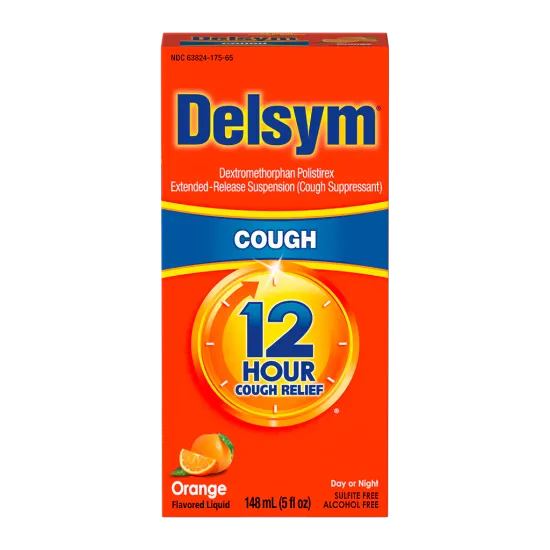
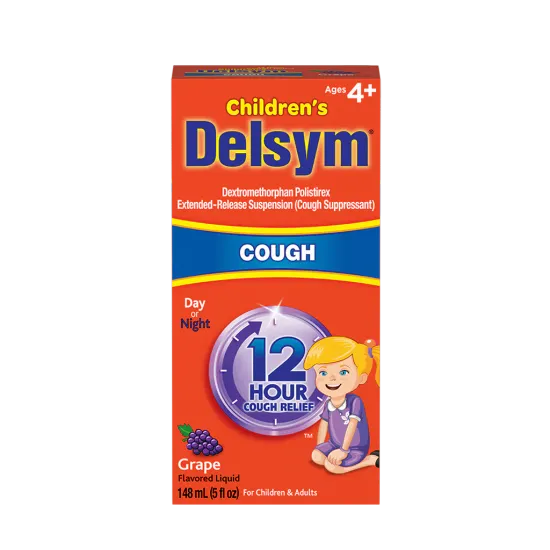
.avif)

DAY & NIGHT



Coughing is a common symptom of various health conditions, from colds and allergies to chronic respiratory issues. However, what many people don’t realize is that there is a strong link between cough and dehydration. In some cases, dehydration causes a dry cough or exacerbates existing cough symptoms.
Understanding how these two conditions are related can help you manage both more effectively. In this article, we’ll dive into the connection between cough and dehydration, explain the symptoms to watch for and provide cough relief tips to help you stay hydrated and healthy.
Dehydration is a condition where your body loses more fluids than it takes in, which can lead to a range of health issues.1 One of the lesser-known effects of dehydration is its ability to trigger or worsen a cough.
When your body is well-hydrated, the mucous membranes in your respiratory system stay moist, helping to trap dust, bacteria, and other irritants. However, when you are dehydrated, these mucous membranes dry out. As a result, your body is less able to protect itself from irritants. The drying out of these membranes also makes it more difficult to clear mucus from the respiratory tract.2
Cough dehydration is closely linked to how well your mucous membranes can function. Dry, irritated mucous membranes are one of the primary reasons dehydration causes dry cough. Without adequate moisture, your airways become more sensitive, leading to coughs from dehydration.
Dehydration also heightens irritation in the throat and airways, which can trigger a stronger cough reflex. When your throat is dry, even minor irritants can cause a cough due to dehydration. This is because the body attempts to clear the throat and airways of the perceived irritant, even though the real problem is the lack of moisture.3
A cough from dehydration often feels dry and unproductive, as there is no excess mucus to expel. The cough can persist as long as the dehydration continues, leading to discomfort and irritation. When combined with other factors, such as seasonal allergies or colds, dehydration can make it even harder to manage a cough due to dehydration.
The early signs of dehydration can be subtle but are crucial in preventing further complications. Some of the first symptoms to watch for include4:
Dry mouth and throat
Increased thirst
Dark yellow urine
Fatigue or low energy levels
Headache
These early signs should prompt you to increase your fluid intake to prevent coughing when dehydrated. It’s easy to overlook these symptoms, especially if you're busy or exposed to hot weather, but staying hydrated is key to avoiding dehydration caused by cough.
If mild dehydration is left unchecked, it can progress to severe dehydration, which has more serious consequences for your health, including respiratory issues. Severe dehydration can cause5:
Dizziness or lightheadedness
Rapid heartbeat or breathing
Confusion or irritability
Very dark or no urine output
Dry, cracked skin
At this stage, the risk of cough due to dehydration increases significantly. Your mucous membranes are extremely dry, and your respiratory system is less able to protect itself from irritants, making you more susceptible to a dry cough from dehydration. If you suspect you’re severely dehydrated, it’s important to seek medical attention immediately to restore fluid balance and prevent complications like dehydration and dry cough.
Once you understand how cough dehydration occurs, the next step is preventing it through proper hydration. By maintaining a consistent intake of fluids, you can protect your mucous membranes and reduce the likelihood of a cough from dehydration. Below are some practical cough relief tips to help you stay hydrated and keep coughs at bay.
Maintaining proper hydration throughout the day is crucial for preventing coughs due to dehydration. Here are a few cough relief tips to ensure you stay hydrated:
Drink Water Regularly: Aim to drink water consistently throughout the day, rather than waiting until you feel thirsty. Set reminders if necessary, and keep a water bottle handy.
Eat Water-Rich Foods: Include foods that have a high water content in your diet, such as cucumbers, watermelon, and oranges. These can supplement your fluid intake and contribute to overall hydration.
Monitor Your Urine: Pay attention to the color of your urine. Light, pale yellow urine is a good indicator of proper hydration, while dark yellow or amber urine suggests you need to drink more fluids.
Limit Caffeine and Alcohol: Both caffeine and alcohol can contribute to dehydration, so it’s important to consume them in moderation to prevent coughing when dehydrated.
Hydrate During Physical Activity: If you exercise or are exposed to hot weather, increase your fluid intake to compensate for the additional fluid loss through sweat. This helps to avoid dehydration-caused coughs during or after exertion.
While staying hydrated is essential, it’s also important to avoid certain foods and drinks that may contribute to dehydration and exacerbate a cough due to dehydration. Here are some things to watch out for:
Salty Foods: Consuming too much salt can deplete your body’s fluid levels, leading to dehydration. Avoid excessive intake of processed snacks and fast food, especially if you're prone to a dry cough from dehydration.
Caffeinated Beverages: Drinks like coffee, tea, and soda contain caffeine, which acts as a diuretic and can cause increased fluid loss. Consuming too much caffeine can worsen a cough dehydration issue.
Sugary Drinks: Beverages high in sugar, such as soft drinks and fruit juices, may not adequately hydrate you and can even lead to fluid imbalance, making a dehydration-caused cough more likely.
Alcohol: Alcohol also acts as a diuretic, leading to fluid loss. If you are already feeling dehydrated or have a cough due to dehydration, it’s best to limit alcohol consumption.
By following these cough relief tips and making smart choices about hydration, you can reduce the chances of experiencing a cough from dehydration.
In conclusion, the link between cough and dehydration is clear. Dehydration causes dry coughs by drying out the mucous membranes and irritating the throat. Recognizing the signs of dehydration and maintaining proper hydration throughout the day can help you manage and prevent a cough due to dehydration. If you're ever unsure about the cause of your cough, it's important to know the difference between coughs to determine the best course of action.