.avif)

DAY & NIGHT




Searching for medicine to quell a bothersome cough? When you or a loved one comes down sick, you may find yourself wandering through the drugstore aisles, looking for a remedy to calm your throat. But with so many options available, it can be tricky to understand the difference between a cough suppressant and an expectorant.
We’re here to help! Settle in and keep reading for a complete comparison of a cough expectorant vs. a cough suppressant, including crucial information to help you make the right choice for your family.
A cough expectorant is a medicine that thins and loosens mucus, making it easier to cough up.1 Since they help with excess mucus, expectorants can be used for wet, productive coughs, but not dry coughs.
The most common example of an expectorant is guaifenesin, which is available over the counter.
Also known as antitussives, cough suppressants are medicines that curb the cough reflex in the brain. More specifically, they reduce activity in the area of the brain that creates the cough reflex.2
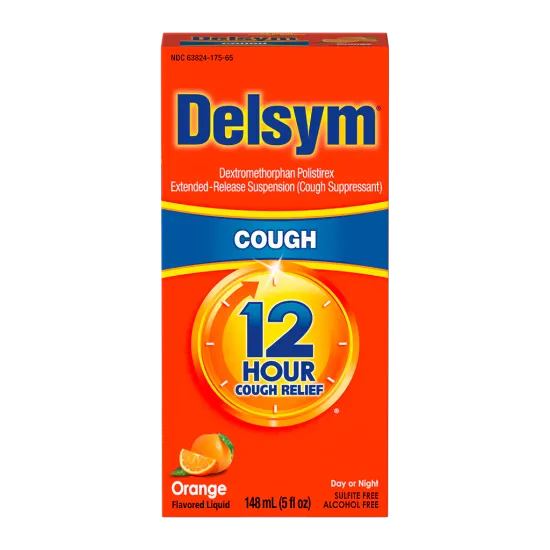
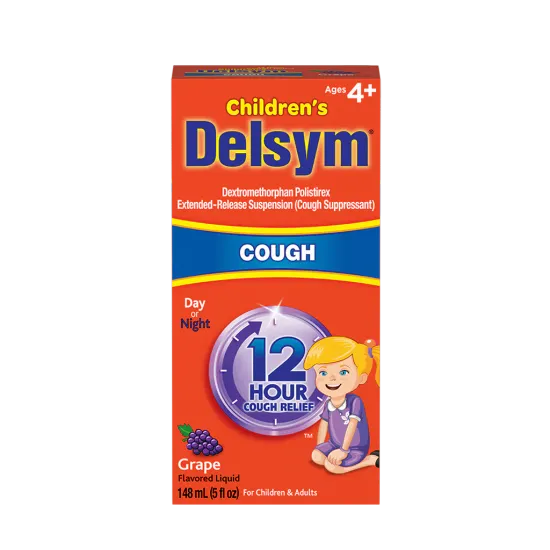
Dextromethorphan is the only single ingredient cough suppressant liquid or pill, available over the counter. Other cough suppressants like codeine, hydrocodone, and benzonatate, require a prescription from a doctor.
As you consider the effects of a cough expectorant vs. suppressant, you might wonder: How does 12-hour cough relief medicine work? It uses a time-release formula that gradually releases medicine in your body over the course of several hours, providing ongoing cough relief.
Bonus tip: What’s the difference between a decongestant vs. expectorant vs. suppressant? Decongestants are another type of medicine that works by constricting the blood vessels in your nasal passages, helping to alleviate swelling from a stuffy nose.3
The primary difference between expectorant and suppressant medicines is their effect on the body. Expectorants thin mucus, while suppressants block the cough reflex.
Wondering when to take a cough suppressant vs. an expectorant? The answer comes down to the effect you need and whether you’re dealing with a wet or dry cough.
Here’s how these medicines’ effects differ:
When choosing a cough medicine, you’ll also need to find the right formulation for you: liquid or capsule. The benefits of liquid cough medicine can include faster absorption and an easier-to-take form, especially for people who struggle with pill fatigue.5
As you compare a cough medicine expectorant vs. suppressant, it’s also vital to consider the side effects and other precautions, like drug interactions.
Since expectorants and cough suppressants have different effects on the body, their possible side effects differ, too. Possible side effects of the expectorant guaifenesin include:4
Possible side effects of the cough suppressant dextromethorphan include:2
You should follow these precautions while taking either an expectorant or cough suppressant:
As you search for must-have essentials when you have a chronic cough, it’s crucial to understand the difference between a cough expectorant and a cough suppressant. If you’re unsure of which medication is best for your needs, or if a specific medicine is safe for you, contact your doctor for personalized insights.