.avif)

DAY & NIGHT



Whether from the common cold, a sinus infection, seasonal allergies, or another health condition, coughing can be uncomfortable, to say the least. Thankfully, many different types of cough medicine are conveniently available from local drugstores. By understanding how these cough medicines work, you can pinpoint the best option for your particular condition and finally shake that pesky cough.
Read on to learn more about different cough medicines for adults, how to match them to various cough types, and when to seek professional care.
The main types of cough medicine are antitussives, expectorants, antihistamines, and pain relievers. Combination medicines, which combine multiple active ingredients within a single medication, are also available to treat coughing and other common cold symptoms, like congestion, sore throat, and headaches.
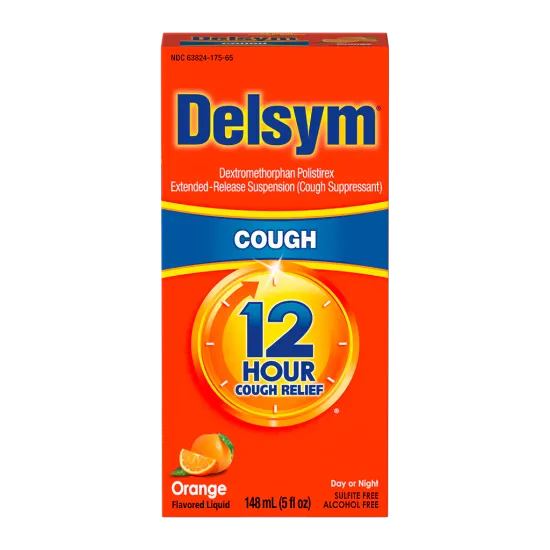
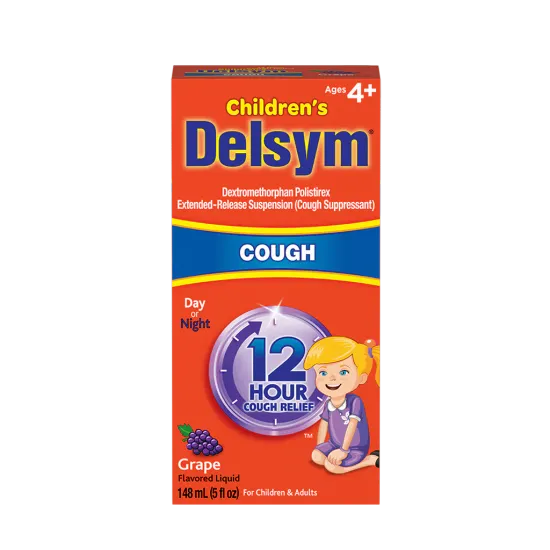
Antitussives (also known as cough suppressants) suppress coughing by diminishing activity in the area of the brain that controls coughing. This strong cough medicine for adults can help relieve dry coughing from infections, like the common cold, flu, sinusitis, and bronchitis, as well as allergies.1 One common antitussive is dextromethorphan, the active ingredient in Delsym® 12 Hour.
Expectorants are medications that help thin mucus and phlegm in your airway, allowing you to cough them up more easily. Although expectorants do not help relieve coughs, they help relieve your body to get rid of excess mucus more easily. This type of cough & cold medication is best for wet, productive coughs because it helps eliminate the phlegm trapped in your throat and chest.2
Antihistamines like diphenhydramines treat both cough & allergy symptoms, including sneezing, runny nose, and itchy eyes. This group of medicines also do not directly relieve cough, instead, they work by blocking histamines: the chemicals your body produces in response to an allergen. Antihistamines help to calm the immune response and curb uncomfortable symptoms.3
Pain relievers, as the name suggests, help reduce pain from a wide range of conditions, from the common cold to a twisted ankle. Acetaminophen and NSAIDs, like ibuprofen, are the most common examples. While pain relievers don’t directly help with coughing, they can help with a painful sore throat and general discomfort from viral infections, like the flu and colds. Additionally, pain relievers are often included in combination cough & cold and flu medications to address multiple cold symptoms simultaneously.4
To choose the right cough & cold medicine for your symptoms, let’s consider which symptoms each medication is known to treat effectively.
Antihistamines help relieve various allergy symptoms, including:6
Sneezing
Runny nose
Itchy nose or eyes
Watery eyes
Congestion
Hives and skin rashes
Pain relievers help with headaches, body aches, sore muscles, and other types of body pain. Some pain relievers can also reduce inflammation and fevers.7
While these are general guidelines for common cough medications, make sure to read the usage information and directions for any medicine you take to ensure it’s indicated for your symptoms.
Each cough medicine type listed above encompasses several active ingredients. While these active ingredients fall under the same category, they can differ in exactly how they work, which symptoms they target, and which side effects they can cause.
Let’s explore the various active ingredients used to treat coughing.
Dextromethorphan is the only antitussive active ingredient that’s approved for over-the-counter use in the United States.8 Other antitussives, like benzonatate and codeine, are only available with a prescription.
Guaifenesin is currently the only expectorant active ingredient that’s been approved by the FDA.9
Cetirizine, fexofenadine, loratadine, diphenhydramine, and chlorpheniramine are the most common over-the-counter antihistamines.10
Acetaminophen and NSAIDs, including ibuprofen, aspirin, and naproxen are the main active ingredients found in over-the-counter pain relievers.
Consider the type of cough you’re struggling with to find a medicine that fits your needs.
A dry or non-productive cough requires dry cough medicine for adults. An antitussive like Delsym® 12 Hour is a good choice, as it targets the cough reflex, rather than mucus.
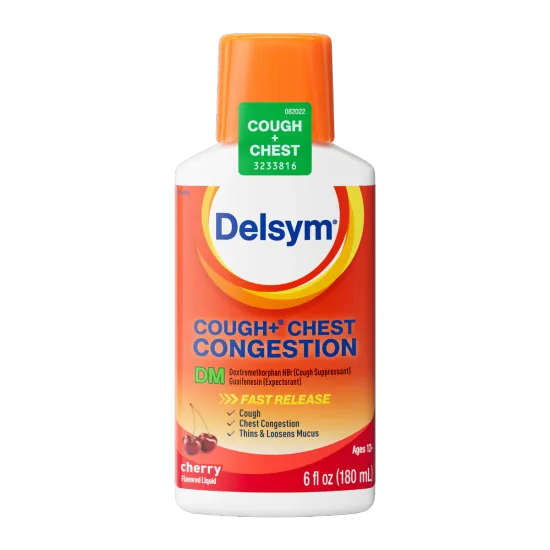
A wet or productive cough benefits from an expectorant to thin and loosen mucus. A combination medication containing an expectorant and antitussive, like Delsym® Cough+ Chest Congestion DM, may also be a good fit.
An allergy or asthma cough requires allergy medication, like an antihistamine, or asthma medication. Asthma medicines can be prescribed by your doctor to tackle coughing, wheezing, and difficulty breathing when you have an asthma attack.11
To find the best cough & cold medicine for your needs, it’s important to know the difference between coughs. While people often consider coughing a single symptom, it can actually vary greatly based on its underlying cause. If you’re not sure what’s causing your cough, contact your doctor for an evaluation.
Although many cough & cold medications are available over the counter without a prescription from your physician, it’s crucial to follow basic safety tips to prevent complications. Essential tips include:
Read the entire medication label before use, and make sure to follow the recommended dosage and instructions to the tee
Never take more than the recommended dose.
Don’t combine cough and cold medications.
If you’re currently taking other medications, talk to your doctor or a pharmacist to ensure cough medicine won’t cause potentially dangerous drug interactions.
If you have an underlying medical condition, talk to your doctor before taking cough medicine to ensure it’s safe.
Cough & cold medicines can cause side effects, including drowsiness, dizziness, and nausea. Non-drowsy cough medicine for adults may help you avoid fatigue. However, if you experience side effects that become severe or worrisome, contact your doctor immediately.
Other possible side effects of dextromethorphan include:12
Other possible side effects of guaifenesin include:9
Other possible side effects of antihistamines include:13
Other possible side effects of pain relievers include:14
If you’re unsure of how to choose sore throat and cough medicine for adults, don’t hesitate to reach out to your doctor. Additionally, if you experience symptoms of a serious allergic reaction after taking cough & cold medicine, seek emergency medical care. These symptoms can include:15
Understanding the different cough & cold medicines available for adults can help you find relief for your symptoms. But, when in doubt, contact your doctor for a personalized recommendation.