.avif)

DAY & NIGHT




Does your throat feel like sandpaper, or perhaps the Sahara desert? It sounds like you’re dealing with a dry throat. While you might have a sore throat from a cold or flu, dry air could also be to blame.
Dry air and coughing often go hand in hand due to airway irritation. Keep reading to learn more about typical symptoms of dry air-related respiratory discomfort and effective throat-soothing strategies.
Find yourself wondering why dry air makes you cough? Dry air can irritate your respiratory system by dehydrating the mucus membranes that keep your airways moist. This can make your throat feel scratchy and irritated, creating the urge to cough. But beyond that cough caused by dry air, dry mucus isn’t as effective as catching airborne pathogens, leaving you more vulnerable to respiratory infections.1
Keep reading to learn more about dry cough causes and prevention measures to keep your throat calm, even in dry conditions.
A dry cough caused by dry air typically comes with three main symptoms: a scratchy throat, persistent cough, and nasal and sinus dryness.
Inhaling dry air from a low-humidity environment or your home’s heater can dry out the mucus membranes in your throat. This can leave your throat feeling dry, scratchy, and even itchy.
A cough due to dry air typically feels dry, scratchy, and non-productive, meaning it doesn’t bring up mucus. You might constantly feel like you need to clear your throat, or scratch an itch or tickle in your throat.
Your sinuses help keep your respiratory system healthy by creating mucus and adding moisture to the air you inhale. But when you breathe in dry air, it can dry out the mucus in your nose and paranasal sinuses (the cavities in your face that produce mucus that drains to your nose).2
Dealing with a cough because of dry air? Ample hydration, using a humidifier, and sipping warm beverages can all help keep your airways moist.
Simply drinking more fluids is one of the most effective ways to relieve your dry cough. Staying hydrated can help moisten the dry, irritated mucus membranes that a dry air dry cough causes. Along with drinking more water, consider sipping warm fluids to further soothe your throat, as discussed below.
As you up your hydration levels, try to limit or avoid sugary beverages. High sugar intake contributes to inflammation and may negatively impact the immune system.3
Many people struggle with a dry air cough at night because they inhale dry air as they sleep. Humidifiers vaporize water using heat and release it as moisture particles, hydrating the air in your home.
If dry air in your house is causing a cough, using a humidifier is an excellent way to go. Just make sure to keep the humidifier clean to prevent mold formation. If you use it daily, you should clean your humidifier every week or so to remove buildup.
If you’re managing coughing and dry air chest congestion, sipping a warm beverage can provide soothing relief. Inhaling steam from the drink and sipping the warm liquid helps hydrate irritated throat tissue.
You can choose any warm drink that appeals to you, including warm water with lemon, apple cider, broth, or any variety of herbal tea. Many herbal teas provide additional wellness benefits from their natural compounds—for example, green tea is rich in beneficial antioxidants.4 Stirring a teaspoon of honey into your warm drink can also coat your throat, helping to calm a dry cough.5
Bonus tip: If you’re struggling with excess mucus from a cold, you might be wondering how to make a cough more productive. Sipping a steaming mug of tea can help by thinning and loosening the mucus, making it easier to cough up.6
Irritants like smoke and strong fragrances can irritate your throat, especially if it’s already dry and inflamed. While it’s challenging to avoid all airborne irritants, you can limit your exposure with these tips:
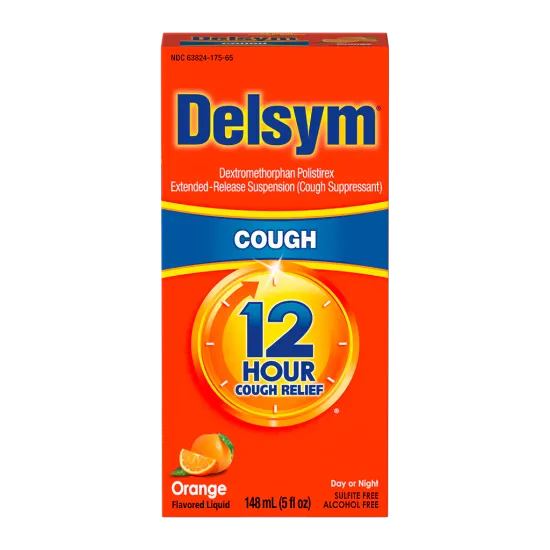
Lozenges and sprays can provide rapid relief from a nagging dry cough.
Numbing sprays, which contain topical anesthetics to curb throat pain temporarily
Cough-suppressing sprays, which contain cough suppressant medicine to block the cough reflex
Soothing sprays, which contain ingredients that naturally coat the throat to reduce irritation, like honey
Sometimes, coughing points to an underlying health issue that requires medical attention. Contact your doctor if you experience:
Coughing that lasts longer than a week, despite rest and home remedies
Coughing that occurs with other symptoms, like:
Fever
Shortness of breath
Chest pain
Dizziness
Confusion
Coughing up blood
Dry air and coughing are uncomfortable, but they can often be relieved with simple home remedies like hydration, cough drops, or a warm mug of tea. To prevent a dry air cough in the future, limit your exposure to airborne irritants and use a humidifier to keep your home’s air comfortably moist.