.avif)

DAY & NIGHT




Nighttime coughs can be disruptive and negatively impact the rest you need when sleeping. Whether your nighttime cough is due to a cold, allergies, or underlying health condition, there are effective strategies to alleviate it and improve your sleep quality.
Below are various methods and cough remedies to help you better sleep with a persistent cough at night.
Experiencing increased coughing at night can be a frustrating and uncomfortable condition. However, there are several reasons why coughs tend to worsen during nighttime hours.
One primary factor is the change in body positioning when lying down. When upright during the day, you can easily clear mucus and irritants from your airways through coughing and swallowing. But at night, when you're lying flat, these irritants may pool in the throat and airways, triggering persistent coughing.
Another significant reason is the body's natural circadian rhythm. The circadian rhythm governs the nasal cycle, which is the alternating congestion and decongestion of nasal passages. Changes to the natural circadian rhythm may thus lead to a stuffy nose.
At night, our bodies experience a decrease in cortisol, a natural anti-inflammatory hormone. This decline can lead to increased inflammation in the airways and a heightened cough response.
An upper respiratory tract infection can feel worse at night when you're trying to sleep, triggering a worse nighttime cough. Plus, acid reflux is more irritating at night when you lie down.
Relieving a nighttime cough is essential for a restful night's sleep and overall well-being. Here are some strategies and remedies to help alleviate a nocturnal cough:
Staying well-hydrated is crucial for reducing the intensity of your cough. Drinking warm, soothing liquids like herbal teas, warm water with honey, or clear broths can help ease throat irritation and thin mucus.
Avoid caffeine and alcohol. These beverages can dehydrate your body and make your cough worse. Make sure to keep a glass of water by your bedside to sip on during the night when needed.
Elevating your head and upper body while sleeping can minimize post-nasal drip, stuffy nose, and nighttime coughs. Use extra pillows or raise the head of your bed slightly. This position helps prevent mucus from pooling in your throat and causing irritation.
Consuming cough drops or throat lozenges can provide temporary relief by soothing a sore throat and suppressing coughs. Look for products that contain ingredients like menthol, honey, or ginger, which have natural cough-relieving properties. These can help reduce irritation and tickly sensations in the throat.
Using a humidifier in your bedroom can add moisture to the air, which helps prevent throat dryness and soothes irritation. Use a cool-mist humidifier and properly clean it to avoid mold or bacteria growth.
Certain essential oils, like eucalyptus or lavender, can be used for aromatherapy to ease nighttime coughing. Place a few drops of essential oil on a tissue or in a diffuser in your bedroom. The pleasant scents and therapeutic effects can help you relax and breathe comfortably.
Identify and avoid irritants that may worsen your cough reflex, such as tobacco smoke, allergens, or perfumed fragrances in your bedroom. Keeping your sleeping environment clean and free of potential triggers can significantly reduce nighttime coughing.
OTC cough medicines aim to relieve persistent nighttime coughs. If you suffer from acid reflux, steer clear of spicy foods or other products that typically worsen your symptoms.
Here are a few OTC medications that can help manage nighttime cough symptoms:
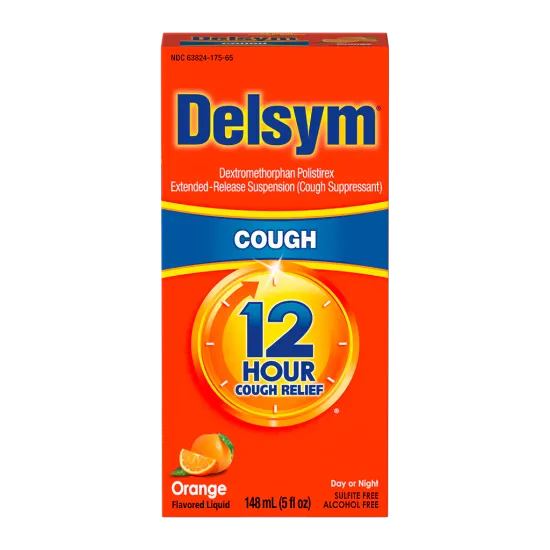
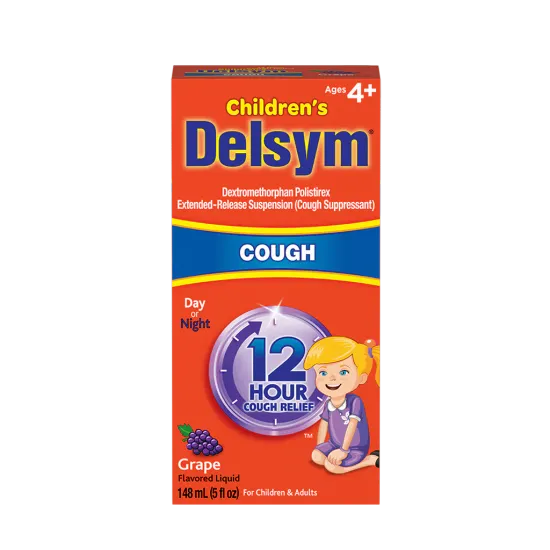
Some cough suppressants, such as Dextromethorphan HBr, can temporarily alleviate a persistent cough by reducing the urge to cough. These medications are available in various forms, including syrups, lozenges, and tablets.
Delsym® 12-Hour Orange Flavored Cough Liquid has a pleasant flavor and gives you long-lasting relief.
Expectorants, like guaifenesin, help thin mucus and make it easier to clear from your airways. While they are more suitable for productive coughs and coughs that involve thick mucus. Be sure to drink plenty of water when using expectorants to aid in clearing mucus.
Antihistamines can be useful for nighttime coughs triggered by allergies. They work by blocking histamine, a chemical that plays a role in allergy-related symptoms, including coughing and sneezing. Some antihistamines, such as Diphenhydramine HCl, can also induce drowsiness, suited to nighttime use.
If your nighttime cough is accompanied by nasal congestion, an OTC nasal decongestant can provide relief. These medications can help open up your nasal passages, making breathing easier and reducing the need for mouth breathing, which can worsen coughing.
Proper hydration is vital for relieving nighttime coughing. Dry or irritated throats can trigger coughing fits, so keeping them moist is essential. Drink a glass of warm water with honey before bedtime, which can help soothe your throat and reduce coughing.
Hydration not only eases irritation but also helps thin mucus, making it easier to clear from your airways. Avoid caffeinated or alcoholic beverages because they can lead to dehydration and worsen your symptoms.
Steam therapy is a natural and comforting way to alleviate nighttime coughing. Take a warm shower or run a hot bath before bed. The steam can help soothe your throat and loosen mucus.
You can also create a steam tent by filling a bowl with hot water, placing your head over the bowl, and draping a towel over your head to trap the steam. Breathe deeply for a few minutes to help ease congestion and reduce coughing.
OTC cough medicine or throat lozenges can relieve your urge to cough. Look for products that contain soothing ingredients like menthol, honey, or herbal extracts. These can help alleviate irritation in your throat and reduce coughing, allowing you to sleep more peacefully.
Delsym® Cough+ Sore Throat Honey Flavored Liquid relieves your sore throat and reduces the urge to cough.
Sipping on warm herbal teas like chamomile or peppermint can be a soothing bedtime ritual that helps alleviate nighttime coughing. The warmth of the tea can ease throat discomfort and relax you before sleep. Avoid teas with caffeine, as they can interfere with your ability to fall asleep. Add honey to teas for additional throat-soothing benefits.
A time-tested home remedy for soothing a chronic cough is a mixture of honey and lemon. Honey's natural properties can help alleviate throat irritation, while lemon provides vitamin C and a pleasant flavor. Mix a teaspoon of honey with freshly squeezed lemon juice in warm water or tea and sip it before bedtime.
Soothing different types of coughs at night can significantly improve your sleep quality and overall comfort. The approach to helping your nighttime cough may vary depending on the type of cough you're experiencing:
A dry or unproductive cough is typically a tickly or scratchy sensation in the throat without much mucus production. It is often caused by irritants such as smoke, dust, or allergies, or it may result from certain medications or health conditions like asthma or gastroesophageal reflux disease (GERD). A dry cough can be bothersome at night, as it can disrupt your sleep without providing relief.
A wet or productive cough, typically accompanied by mucus or phlegm, is your body's way of clearing the airways. It is generally associated with respiratory infections like the common cold, bronchitis, or pneumonia.
While a productive cough clears mucus from the airways, it can still interfere with your sleep if it becomes frequent or severe.
An irritative cough may be triggered by allergies, pollutants, or irritants in your environment. To soothe this type of cough, try the following at-home remedies:
OTC antihistamines may be helpful if allergies contribute to your cough; consult a healthcare provider before starting any new medications.
Alleviating nighttime coughs is crucial for a restful night's sleep and your overall well-being. Understanding the type and cause of your cough and implementing the appropriate remedies and medications can significantly improve your sleep quality and wake up refreshed.
If your cough persists or worsens, don't hesitate to seek medical advice to address any underlying health issues.
Remember, a rejuvenating night's sleep is crucial for your body's ability to heal and recover. That's why taking the steps to manage your nighttime coughs is critical to your health.