.avif)

DAY & NIGHT



The cold and flu can be exhausting during the daytime. But when it comes to the nighttime, you need medication that can ease your symptoms and help you to get to sleep. Specially formulated nighttime cold and flu relief medications relieve discomfort from cold and flu symptoms to help you stay asleep at night.
Here's how over-the-counter (OTC) nighttime cold and flu medications work, with tips on getting restful sleep while under the weather.
Nighttime cold and flu symptom relief medicines contain a combination of active ingredients to target specific common cold and flu symptoms. Common ingredients found in these nighttime OTC medications often include antihistamines, nasal decongestants, pain relievers/fever reducers and cough suppressants.
These medications provide cold and flu relief, including:
By addressing all these symptoms, nighttime cold medications can make you more comfortable and help you sleep better.
Many nighttime cold and flu symptom relief formulas include ingredients that help relieve symptoms and support restful sleep. For instance, cough suppressants taken at night can control the impulse to cough, helping you get to sleep more comfortably. By addressing disruptive symptoms, these medications aid in improving rest, allowing your body to focus on recovery from the common cold or flu.
These medications, known as "nighttime" formulas, aim to relieve cold and flu symptoms while assisting you in obtaining the restorative sleep you require.
Triprolidine HCl, an antihistamine, is a primary ingredient in nighttime cold and flu medicine that may induce drowsiness. Antihistamines block histamine receptors in the brain, leading to drowsiness and reduced alertness.
Since nighttime cold and flu relief medications can make you sleepy, use them cautiously. Before consuming them, consider whether you have daytime responsibilities or need to be alert early in the morning, such as for driving or work. The sedative effects of these OTC medications can vary from person to person, so it's encouraged to test their impact before engaging in activities that demand alertness.
It is also essential to use these medications as directed on the packaging or by your healthcare provider. Following the recommended dosage ensures their safe and effective use while minimizing the risk of side effects or misuse.
The time it takes for nighttime cold and flu medicine to work can vary. Symptom relief speed depends on several factors, including the specific medication you're using, your body's response to the active ingredients, and flu or cold symptom severity. In most cases, you can expect to experience some relief within 30 minutes to an hour after taking the medication.
The time it takes for nighttime cold and flu medicine to work can vary. Symptom relief speed depends on several factors, including the specific medication you're using, your body's response to the active ingredients, and flu or cold symptom severity. In most cases, you can expect to experience some relief within 30 minutes to an hour after taking the medication.
Nighttime cold and flu medicines target various symptoms and provide comprehensive relief to help you rest and recover. The time it takes for these ingredients to take effect can vary, with some offering faster relief than others.
While these OTC medications can temporarily relieve symptoms, they do not cure the underlying cold or flu virus. However, taking nighttime cold and flu medicine can improve your recovery time and sleep quality.
As you will likely experience relief after taking nighttime cold and flu medicine, be sure to have realistic expectations about how you'll feel in the morning. The amount of time you're sick depends on your body's immune response and the specific virus causing your symptoms. It's also possible that you will continue to experience some symptoms in the morning.
Nighttime cold and flu relief medications can help you wake up feeling better than the previous night, especially if you had a restful sleep. Stay hydrated, get plenty of rest, and give your body the time it requires to recover fully.
Taking cold and flu medicine can offer several significant benefits when getting quality sleep while you're sick. Here are some of the advantages:
Manufacturers formulate cold and flu medicines to address various symptoms, including congestion, stuffy nose, sneezing, coughing, sore throat, and body aches.
Alleviating them with OTC medications can make you feel more comfortable and help you get a better night's sleep. When you're less congested and experiencing fewer symptoms, you're more likely to sleep soundly and restfully.
Flu and cold symptoms can be particularly disruptive to sleep. Coughing, nasal congestion, and throat irritation can lead to frequent waking at night. Cold and flu medicines can help reduce these disruptions by easing symptoms. Your body can then focus on healing. Adequate rest helps your immune system function optimally so your body recovers quickly from illness.
Your body can then focus on healing.
When cold and flu season arrives, getting nighttime relief and falling asleep when you're sick can be challenging. Here are some tips to help you get the restorative rest your body needs when you're not feeling well.
First, consider how you're lying down. Sleep elevation can ease cold and flu symptoms by angling your upper body slightly higher. Simply propping up your head, chest, and neck with an extra pillow can help relieve congestion and reduce coughing for easier breathing and sleeping.
Try to maintain a consistent sleep schedule when possible. Go to bed and wake up simultaneously daily to regulate your body's internal clock and improve your overall sleep quality and immune system.
Also, consider a soothing bedtime routine, such as drinking herbal tea or taking a warm bath, to signal your body that it's time to wind down. Try to limit screen time before bed, as the blue light emitted by phones and computers can interfere with your ability to fall asleep.
Make your bedroom dark and quiet and the temperature comfortable for you. Use a humidifier to add moisture to the air to moisten a dry throat and nasal passages and to ease a sore throat.
Only use OTC nighttime cold and flu medications as directed to help relieve cold/flu symptoms so you can fall asleep. In case of any side effects consult your registered medical physician immediately. Speaking with a healthcare professional is recommended if your symptoms persist for more than a few days or worsen.
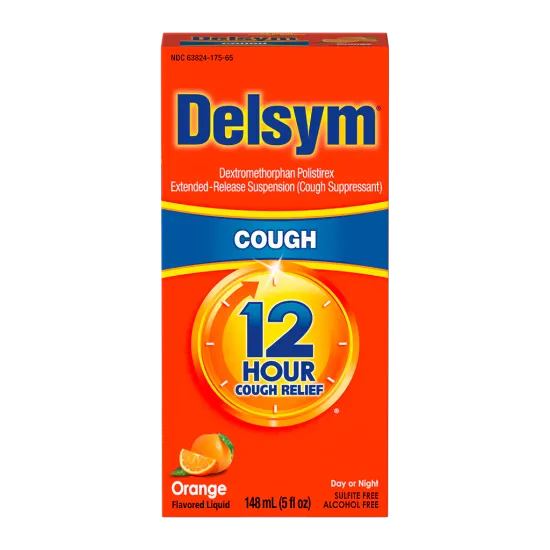
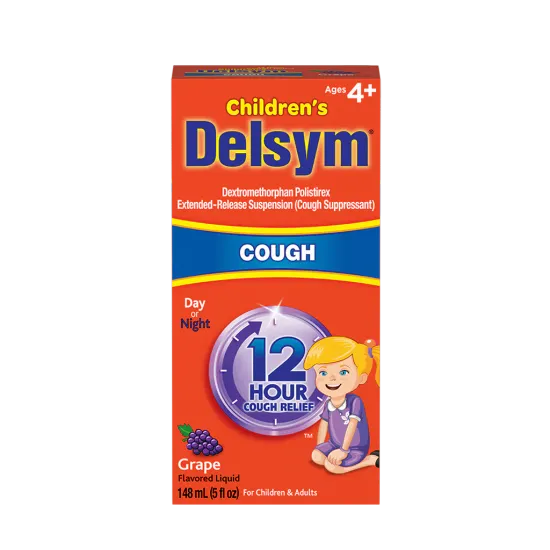
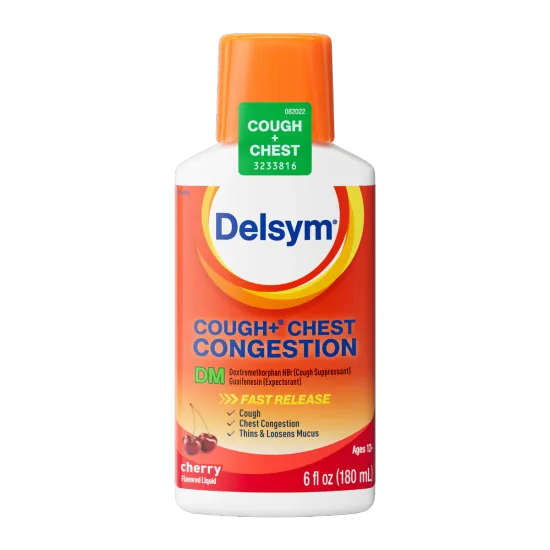
When you need relief from cold and cough symptoms so you can fall sleep at night use Delsym® Nighttime Cough Liquid for comforting support.
We formulate our ingredients with Acetaminophen and Dextromethorphan HBr to provide powerful pain and sore throat relief, reduce fever, and suppress coughs to help you sleep. Additional ingredients include Triprolidine HCl to ease your sneezing, itchy, watery eyes, and runny nose to help you fall and stay asleep.
To help relieve your cough and cold symptoms so you can fall asleep, choose Delsym® 12-Hour Cough Liquid and Nighttime Fast Release Combo.