.avif)

DAY & NIGHT


.png?width=1200&height=641&format=webp&quality=80)
A wet cough, also known as a productive cough, is often accompanied by the expulsion of mucus or phlegm from the respiratory tract. It's typically a sign that your body is trying to clear irritants or infections from your lungs or airways.1 While a wet cough can be uncomfortable, several treatments can help manage and alleviate symptoms. This article will explore the most effective cough medicine for wet cough, over-the-counter options, home remedies, and when to seek medical advice.
Understanding the underlying causes of a wet cough can help you select the most appropriate treatment. A wet cough is often linked to respiratory conditions, but other factors can contribute to its persistence.
One of the most common causes of a wet cough is respiratory infections, including the common cold, bronchitis, and pneumonia. These infections often lead to increased mucus production as the body attempts to clear out bacteria, viruses, or other harmful agents.2 In such cases, using cough syrup for a wet cough or an expectorant can help thin the mucus, making it easier to expel.
Allergies and environmental irritants, such as dust, pollution, or mold, can also trigger a wet cough. In these cases, the body produces mucus to trap and eliminate the allergens.3, 4 In addition to using the best medicine for chest congestion and wet cough, it's crucial to minimize exposure to these triggers to prevent symptoms from worsening. Over time, chronic exposure to these irritants can lead to persistent wet coughing, requiring further intervention.
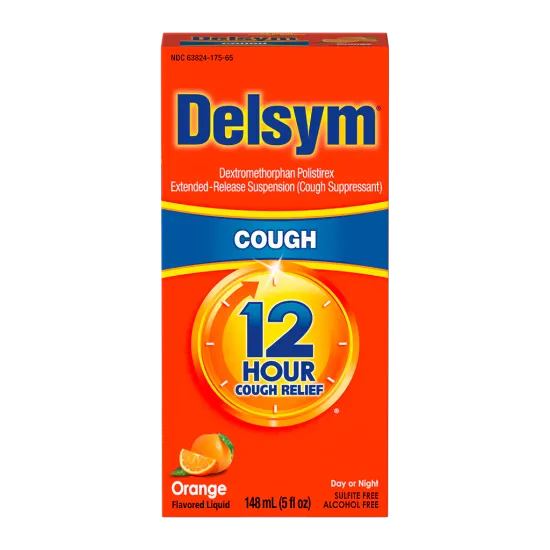
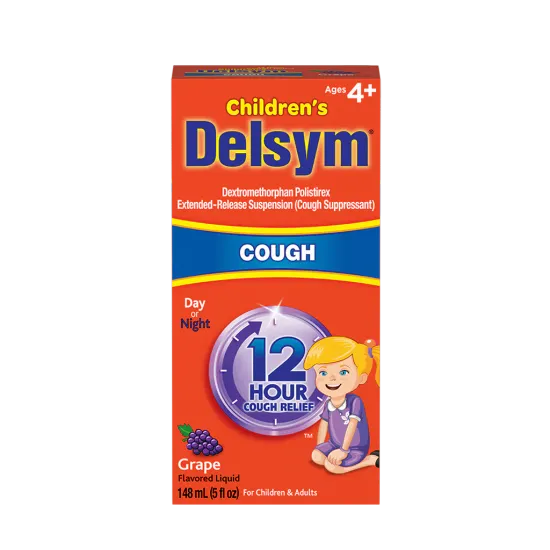
When it comes to managing a wet cough, over-the-counter medications can provide significant relief. Two main types of medications are commonly used: expectorants and cough suppressants. The key is knowing which one to choose for effective wet cough relief and how to incorporate these must-have essentials for chronic cough if the cough persists over time or becomes more frequent.
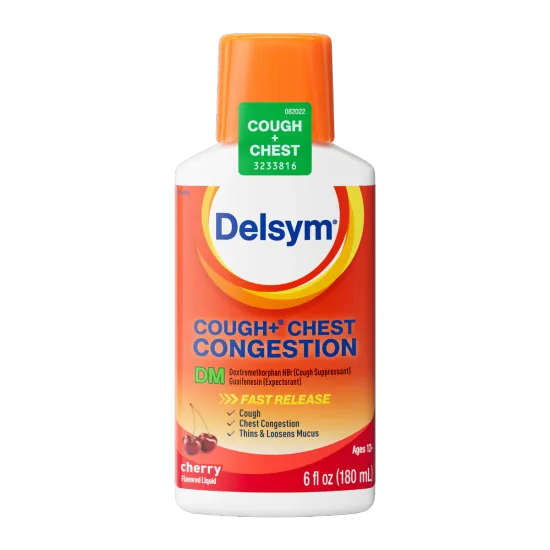
Expectorants are designed to thin the mucus in your lungs, making it easier to cough up and clear out. They work by increasing the water content of the mucus, which loosens the consistency and promotes clearance. One of the best medicines for chest congestion and wet cough often contains guaifenesin, a common ingredient in many expectorants. This type of cough medicine for wet cough is ideal when you need to get rid of a wet cough by helping your body eliminate excess mucus.
While cough suppressants are generally more effective for dry coughs, they can also be beneficial for wet coughs in certain circumstances, particularly if the cough is disrupting sleep or daily activities. However, it’s important not to suppress a productive cough too much, as this can prevent your body from clearing out the mucus. Using a combination of an expectorant and a mild cough suppressant is often recommended, especially if you're looking for wet cough remedies that provide both relief and mucus clearance.
While over-the-counter medications play a vital role in treating a wet cough, natural remedies for a wet cough can also be effective, particularly when combined with other treatments. Implementing simple lifestyle changes can help cure a wet cough faster and provide more comprehensive wet cough relief.
Steam inhalation is one of the most effective wet cough remedies available at home. The moist, warm air helps to loosen the mucus in your airways, making it easier to expel. It can help even more if you add essential oils like peppermint or eucalyptus to the steam. Boil some water and pour it into a bowl. Then, put a towel over your head and lean over the bowl of steam. Inhaling deeply for about 10 minutes can offer significant relief for chest congestion.
This natural method, combined with an expectant cough syrup for wet cough, can expedite recovery and help you get rid of a wet cough more effectively.
Staying hydrated is crucial for thinning mucus and aiding in its expulsion. Drinking plenty of water, herbal teas, or warm broths can keep mucus from becoming thick and sticky. Additionally, some foods have natural anti-inflammatory and immune-boosting properties, such as honey, ginger, and garlic. Including these in your diet can support your immune system and help to cure a wet cough.
Beyond hydration, it's also helpful to avoid foods that may irritate your throat or increase mucus production, such as dairy products or sugary foods. Proper diet and fluid intake, along with the right cough medicine for wet cough, are essential in managing symptoms and achieving wet cough relief.
If you frequently experience coughs, learning how to know the difference between coughs can help determine the best course of treatment and when to seek professional advice. While many cases of wet cough can be effectively managed at home with wet cough remedies and over-the-counter medications, there are situations where medical attention is necessary. If your cough persists for more than a few weeks, worsens, or is accompanied by symptoms such as high fever, shortness of breath, or chest pain, it's important to consult a healthcare professional. Chronic coughing may also indicate more serious underlying conditions, such as asthma, COPD, or even lung disease.
Treating a wet cough requires a combination of the right cough medicine for wet cough, home remedies, and understanding when to seek medical attention. Over-the-counter expectorants and cough suppressants, when used appropriately, can provide quick relief, while home treatments like steam inhalation and proper hydration can support recovery. By addressing both the symptoms and the root causes, you can effectively get rid of a wet cough and restore comfort.
By combining various treatments and making necessary lifestyle adjustments, you can achieve comprehensive wet cough relief and feel better faster.