.avif)

DAY & NIGHT




Coughing is a common reflex action that helps clear irritants and mucus from your airways. However, not all coughs are the same. A non-productive cough, often called dry or unproductive, doesn't produce mucus or phlegm. It can be irritating and persistent, leading to discomfort and frustration.
A non-productive cough is characterized by the absence of mucus or phlegm when you cough. Instead of expelling substances from your airways, it may feel like a dry, hacking cough. This cough reflex could be more productive because it doesn't serve its usual purpose of clearing irritants or excess mucus from the throat and lungs.
The primary difference between a productive or wet cough and a non-productive cough lies in the presence of mucus or phlegm. A productive cough, often called a wet cough, is characterized by the expulsion of mucus or phlegm from the respiratory tract, sometimes in the presence of an upper respiratory tract infection.
On the other hand, a non-productive cough, also known as a dry or hacking cough, typically does not produce mucus. It is usually caused by irritation or inflammation in the throat or airways. Triggers can include allergies, asthma, or viral infections. Distinguishing between these two types of coughs can help determine the underlying cause and appropriate treatment.
Several factors and conditions can lead to a non-productive cough. Some common causes include:
Irritation: Exposure to irritants like smoke, pollution, or allergies can trigger a non-productive cough.
Viral Infections: Viral infections, such as the common cold or the flu, can lead to a dry cough, especially in the early stages of the illness.
Postnasal Drip: Excess mucus draining down the back of the throat can irritate, and a dry cough often occurs with allergies or sinus infections.
Environmental Factors: Dry or cold air can irritate the airways and lead to coughing, especially in people with sensitive respiratory systems.
Gastroesophageal Reflux Disease (GERD): Chronic acid reflux can cause stomach acid to flow back into the esophagus, leading to throat irritation and a persistent and chronic dry cough.
Medications: Some medications, particularly angiotensin-converting enzyme (ACE) inhibitors used to treat high blood pressure, can cause a persistent dry cough as a side effect.
Managing a non-productive cough involves identifying and addressing the underlying cause while relieving the discomfort. Here are some effective strategies for managing and relieving a dry cough:
Drink Fluids: Drinking water, herbal teas, and clear broths can help soothe the throat and thin mucus, making it easier to expel irritants.
Use a Humidifier or Inhale Steam: Adding moisture to the air with a humidifier can help alleviate dryness in the respiratory passages, reducing coughing episodes. Also, inhaling steam from a bowl of hot water or a hot shower can help moisten and soothe the airways, relieving coughing.
Limit Exposure to Irritations: If possible, limit exposure to smoke, allergens, and other irritants that can trigger or worsen a non-productive cough.
Throat Lozenges or Hard Candy: Sucking on cough drops or hard candy can temporarily relieve throat irritation and reduce the cough reflex.
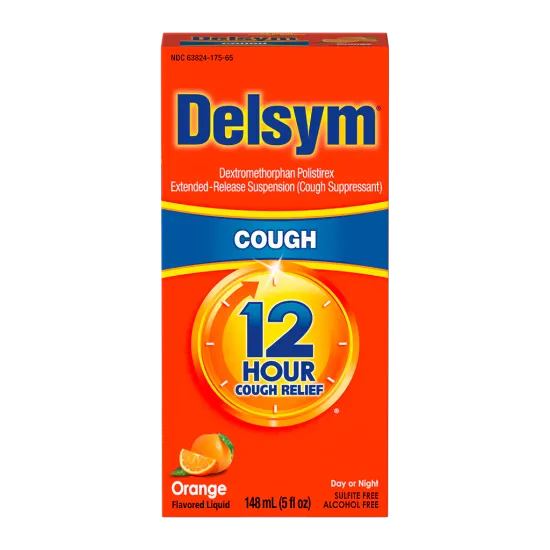
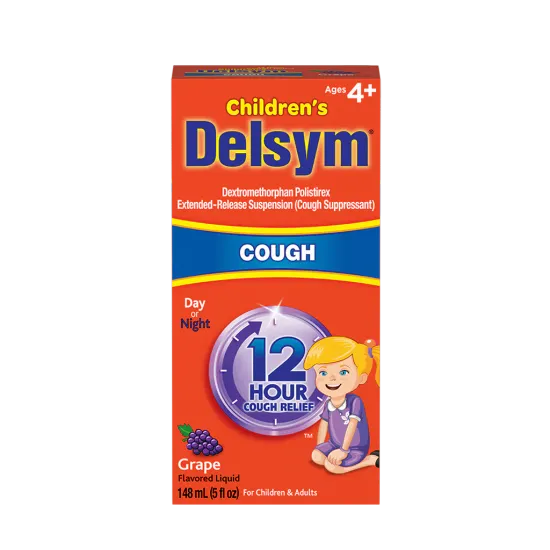
Over-the-Counter Cough Suppressants and Cough Medicines: OTC cough suppressants, like dextromethorphan, can relieve the urge to cough. Delsym Cough+ Sore Throat Honey Flavored Liquid delivers proven effective relief.
Elevate Your Head: Sleeping with your head elevated using extra pillows can help reduce nighttime coughing.
Manage Underlying Conditions: If your non-productive cough is related to an underlying condition like GERD, chronic acid reflux, allergies or sinusitis, managing that condition with appropriate treatment can help alleviate the cough.
Preventing dry coughing involves taking proactive steps to maintain respiratory health and avoid irritants that can trigger coughing episodes. Here are some strategies to help prevent dry coughing:
Adequate hydration is crucial for maintaining healthy airways. Drink plenty of water throughout the day to keep the mucous membranes in your respiratory tract moist. Dry air can exacerbate coughing, so using a humidifier in your home, especially during the winter when you are running the furnace, adds moisture to the air and reduces the risk of dry coughing.
Identify and avoid environmental irritants that can trigger dry coughing. The suspects of environmental irritants include tobacco smoke, air pollution, dust, and allergens like pollen or pet dander. If you're sensitive to any of these, reduce your exposure.
Practicing good respiratory hygiene can help prevent infections that may lead to coughing. Wash your hands regularly, cover your mouth and nose when coughing or sneezing, and avoid close contact with sick individuals, especially during flu and cold seasons. These measures can reduce your risk of an upper respiratory infection that often includes coughing as a symptom.
Weaving these preventive measures into your daily routine can help reduce the likelihood of dry coughing episodes. However, if you have persistent or severe coughing, consult your healthcare professional, as it could be a symptom of an underlying medical condition requiring attention and treatment.
While most non-productive coughs are not serious and people can manage them with home remedies, medical attention is warranted in certain situations, especially if you experience other symptoms such as:
Prolonged or Chronic Cough: If your cough persists for more than 7 days for adults and 5 days for children, consult a healthcare provider for an evaluation.
Coughing Up Blood: If you notice blood in your mucus when you cough, seek immediate medical attention, as this could be a sign of a more serious issue.
Severe Symptoms: If you experience severe symptoms such as high fever, chest pain, difficulty breathing, or confusion in addition to your cough, seek medical help promptly.
Recent Medication Change: If you suspect your medication is causing your cough, consult your healthcare provider to discuss potential alternatives.
A non-productive cough, characterized by its dry and often persistent nature, can be a source of worry, sleepless nights, and discomfort. While there are many possible causes, it's important to identify and address the underlying issue to manage the dry cough effectively. Prevention and management of your symptoms are the steps in lessening the impacts of frustrating, non-productive coughs.